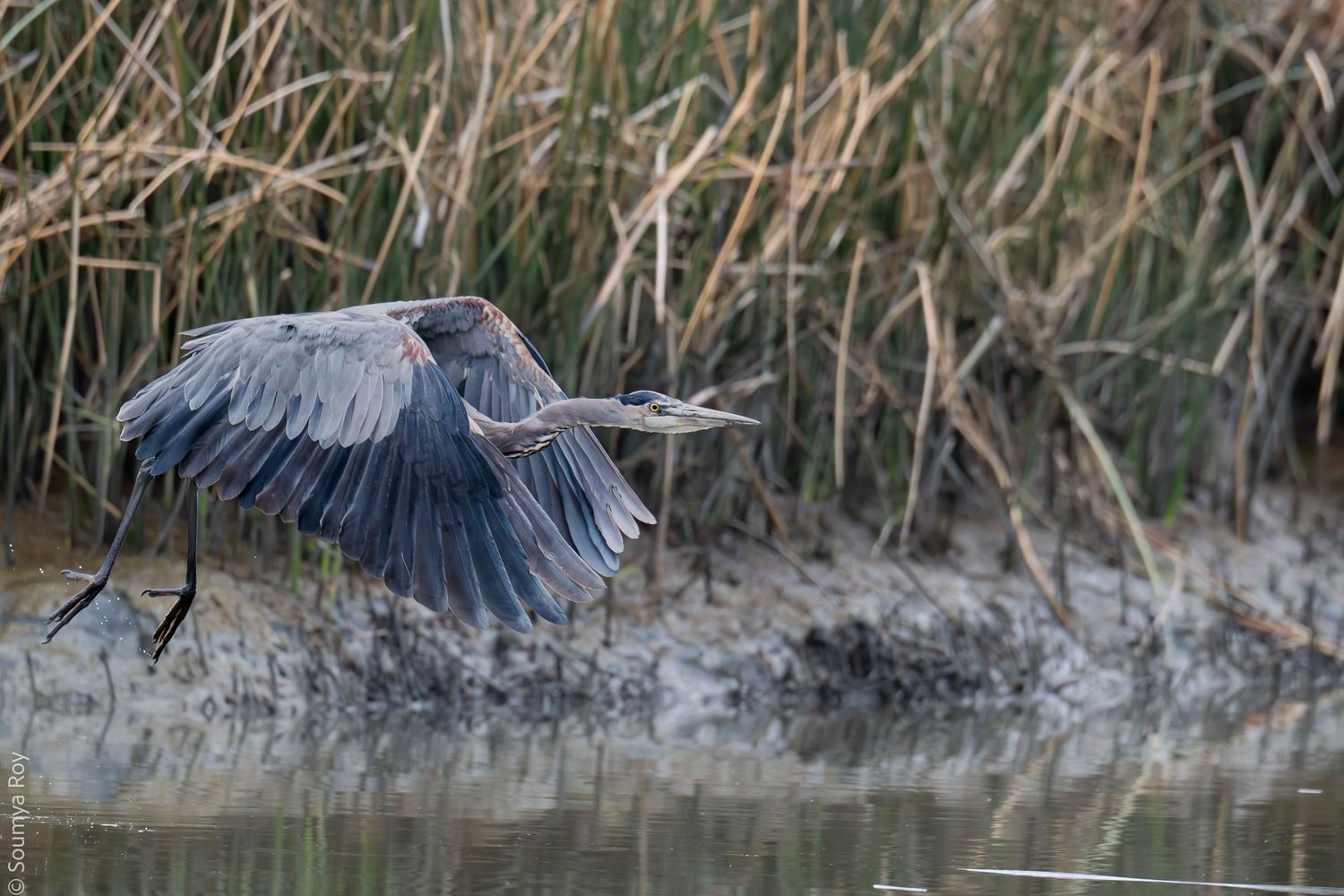
Capturing Birds In Flight
Few aspects of photography are as challenging—or as rewarding—as achieving sharp focus on birds in flight. Before we get into the technical side of the camera, it’s worth pausing to consider what makes a bird-in-flight image truly captivating. It’s more than just clarity—the photo should draw the viewer in: the eyes sharp and alive, the wings graceful and detailed, their angle telling a story of motion. The background should offer contrast that guides the eye, while the light completes the scene. These fundamentals keep the image both simple and attainable, but you can elevate the shot by adding layers of interest—multiple birds in action, reflections, prey, or water droplets. Just remember: the more elements you bring in, the more challenging it becomes to keep everything in sharp focus.
Subject Selection
Knowing what makes a good shot
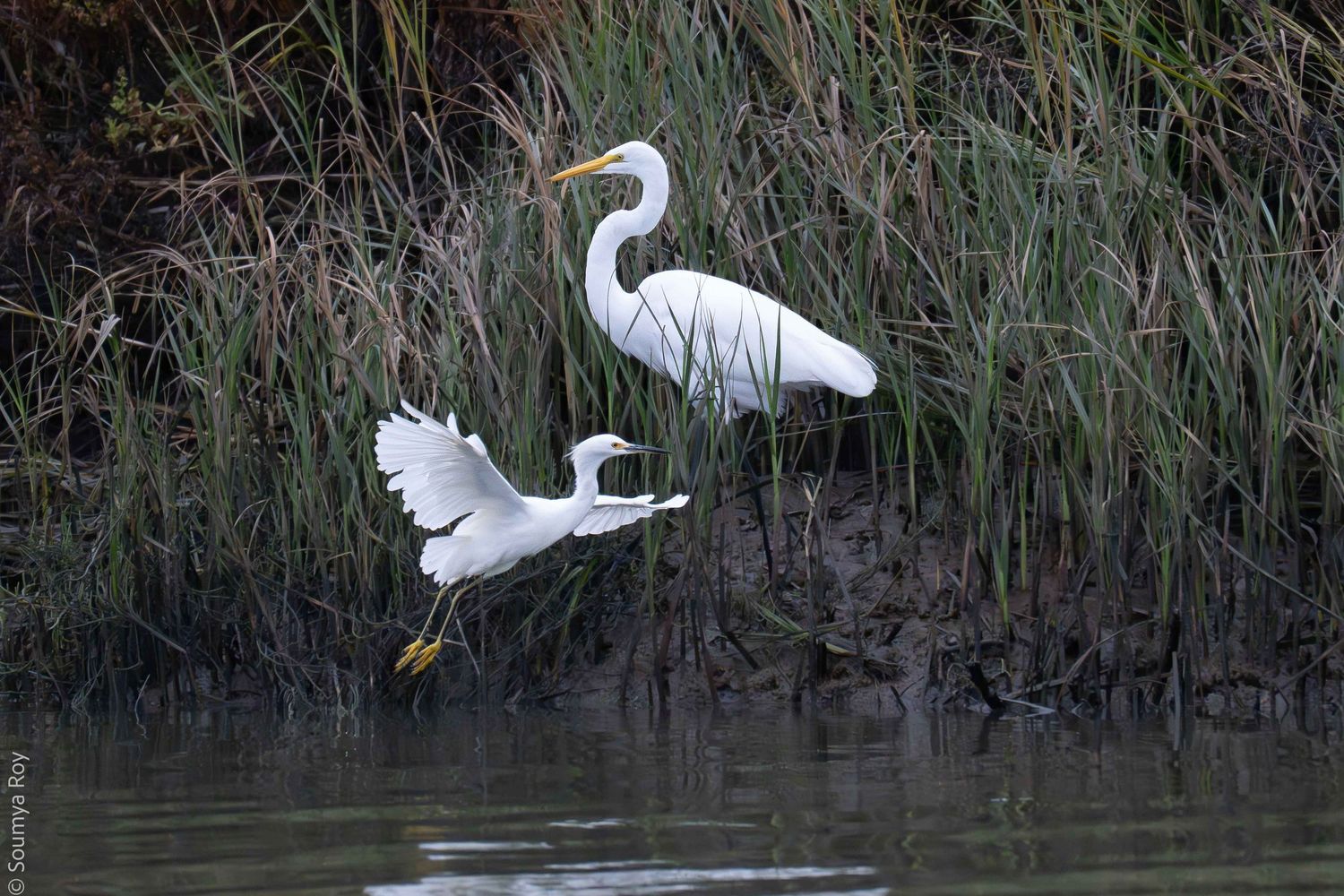
Not all birds make good subjects for in-flight photography, and not every outing delivers the same results. The key is to study your subjects before you start shooting. Different birds behave very differently—some dart quickly through the air, some hardly move, and others are in constant motion. If you’re in California’s sloughs, Snowy Egrets, Great Egrets, and Great Blue Herons are ideal choices. Their takeoffs, landings, and wing positions create striking images, and their flight speeds are manageable for photographers. Best of all, their patterns of behavior are more predictable, giving you a higher chance of capturing that rewarding shot.
I’ve found that watching a bird’s flight speed makes all the difference—it tells me how quickly I’ll need to pan, and helps me keep the composition intact without clipping wings or tail.
Patience and Calm
Stay Up close
Patience has tested me more than once in the field. There are times when I’ve kept a bird framed for what felt like forever, waiting for the split second it would take off. Inevitably, the instance I lost patience, shifted my eyes, and lowered the camera — that’s when the wings spread, and the opportunity vanished.
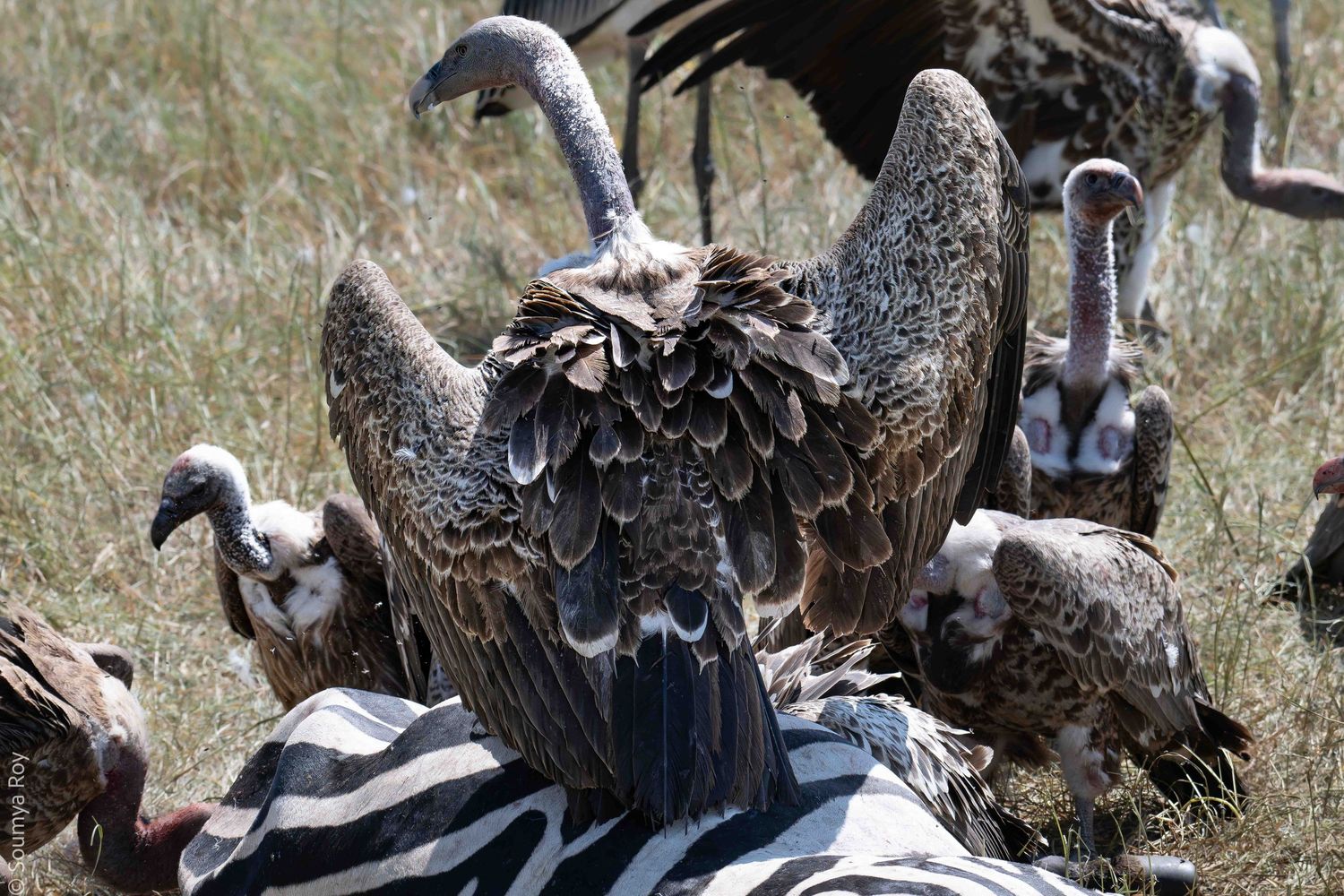
But I’ve faced the opposite, too. In the Western Serengeti, I stumbled upon a mass of scavengers—Marabou Storks and Rüppell’s Griffon Vultures competing over a zebra carcass. The scene was wild, noisy, and constantly shifting. It is easy to get excited and get overwhelmed by the situation in hand. In that chaos, the real challenge was not to get swept up and click indiscriminately. Staying calm, picking out a few decisive moments, and resisting the urge to capture everything made the images far more rewarding.
Focus and Framing
Know your tools
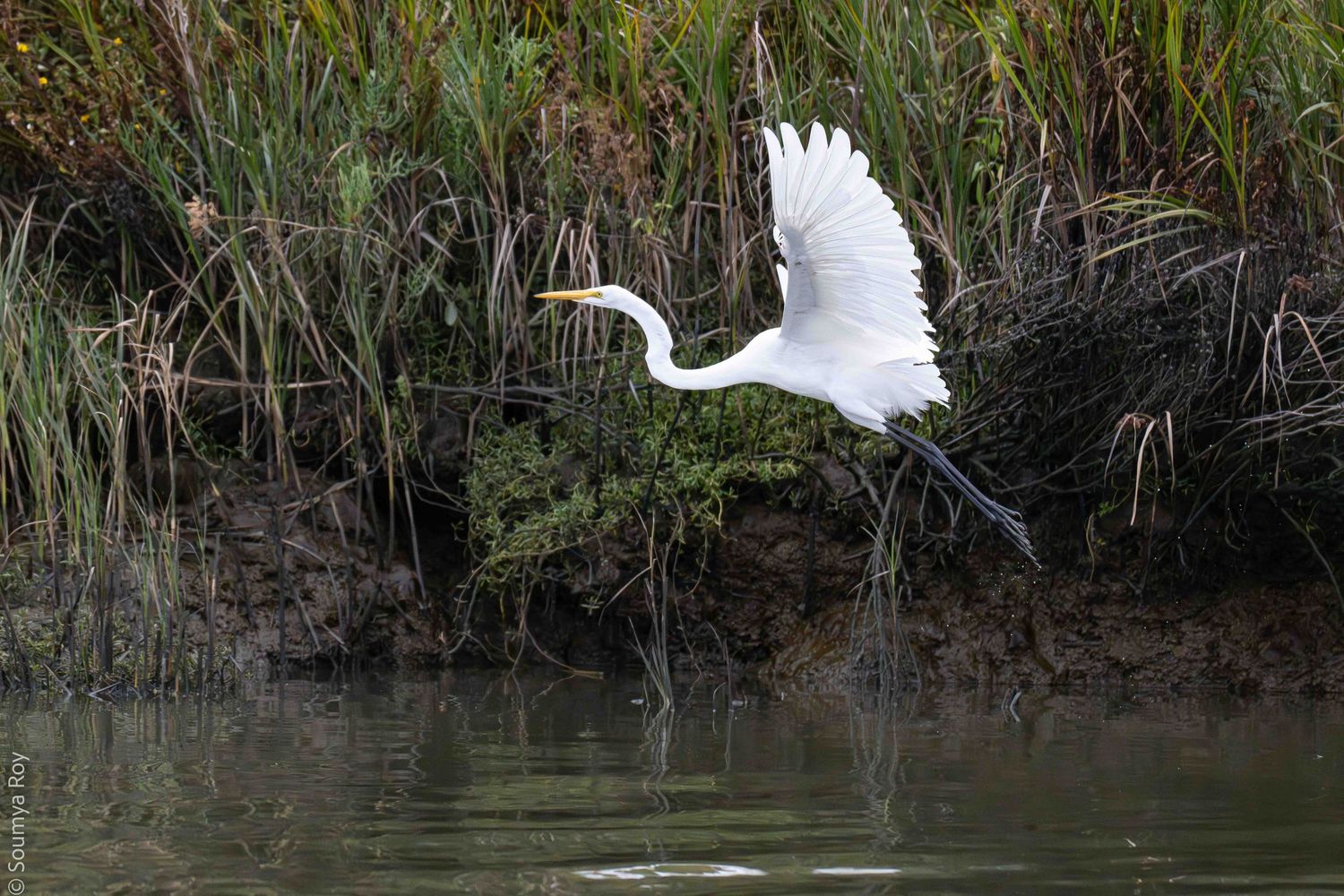
The latest Nikon mirrorless firmware makes it easier than ever to lock onto a bird and keep tracking it. Still, picking up a bird mid-flight and holding sharp focus on the eyes can be tricky. To improve my chances, I often follow the full sequence—takeoff, flight, and landing—so I can lock focus before the bird is airborne and track it through. If you can’t capture the entire sequence, some of the best shots come just around takeoff or landing, when the speed is low and there is a nice wingspread.
A useful trick is to program your camera’s buttons so one finger handles focus (back-button), and another (at the front) handles tracking while you use the third one for clicking - allowing you to control all buttons with one hand. It needs some practice - but soon it becomes muscle memory. For birds in flight, the sharpest results usually come at shutter speeds of 1/2500sec or faster. Positioning also matters: the best images happen when the bird is at eye level. That’s why photographers often climb hills by the ocean to capture birds at the same level as they soar up to the sky — shooting steeply up or down rarely delivers the same impact. Lastly, keeping an eye on where the light is coming from is crucial.